
Manager
Finance Expert
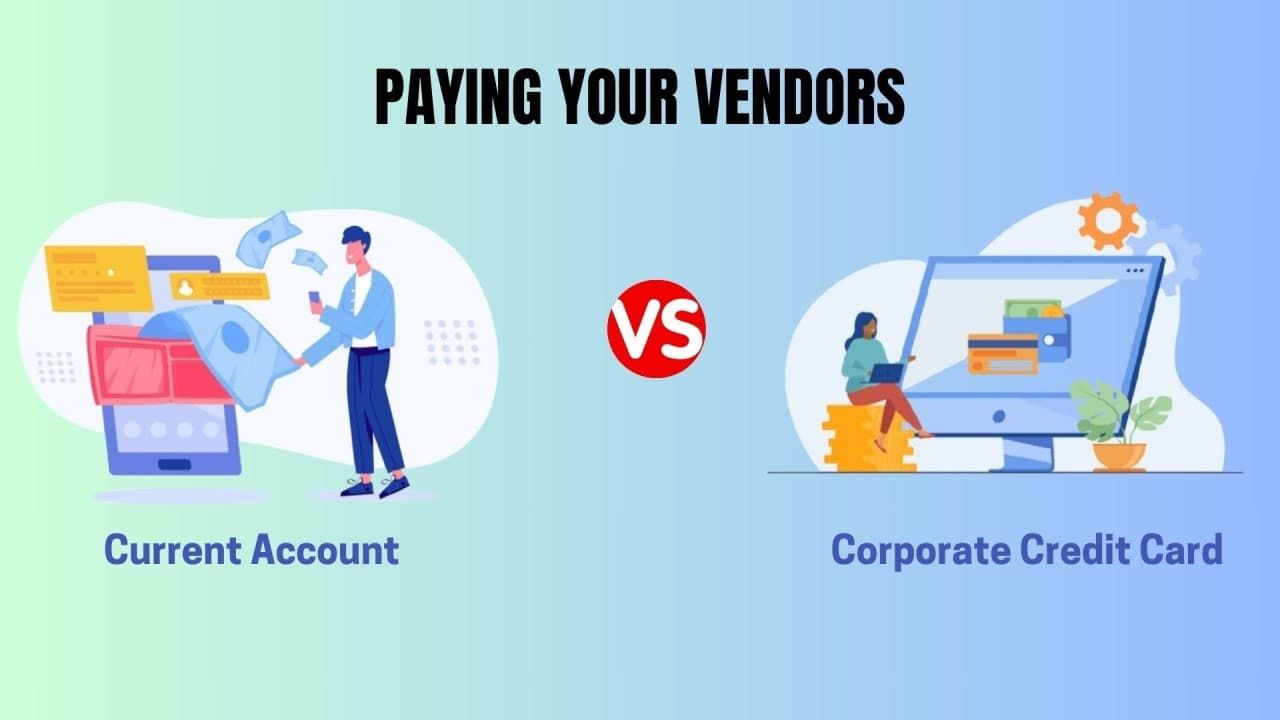
In today's competitive landscape, effective vendor payments are crucial for smooth business operations. Choosing the right payment method can impact cash flow, financial flexibility, and overall business efficiency. Businesses, especially in logistics, often face the challenge of balancing immediate cash outflows with operational liquidity. The two most common payment approaches are utilizing the current account balance and corporate credit cards. Let's explore these options to determine the best strategy for your business.
This method involves making direct payments from the business's current account using NEFT, RTGS, IMPS, or bank cheques. It is a straightforward approach that requires maintaining adequate liquidity.
Corporate credit cards provide an alternative to direct payments by offering a credit line that businesses can use for transactions, with repayment due within a grace period.
In the logistics industry, businesses frequently make multiple payments for fuel, tolls, supplier materials, warehouse rentals, and fleet maintenance. Here's how each payment method applies:
A logistics company may need to pay the following directly from its current account:
Warehouse Vendor via NEFT — ₹1,00,000
Fuel Suppliers via RTGS — ₹1,00,000
Fleet Maintenance Vendors via IMPS — ₹1,00,000
Each payment is processed separately from the current account, requiring adequate liquidity to manage operational expenses.
A logistics company can use a corporate card for the following expenses:
Fuel Purchases across multiple locations
Toll Payments via FASTag Recharge
Third-Party Freight Shipment Bookings
Using a corporate card consolidates payments, delays cash outflows, and earns cashback or fuel points, improving financial efficiency.
"Selecting the right vendor payment method depends on your business's cash flow, spending patterns, and financial strategy. While direct payments ensure financial discipline, corporate credit cards offer flexibility and potential rewards. A hybrid approach — using both methods strategically — can optimize cash flow and ensure operational efficiency."
Evaluate your business needs carefully to make informed financial decisions that drive growth and stability.
Make informed investment decisions with our advanced ROI calculator.

Make informed investment decisions with our advanced ROI calculator.